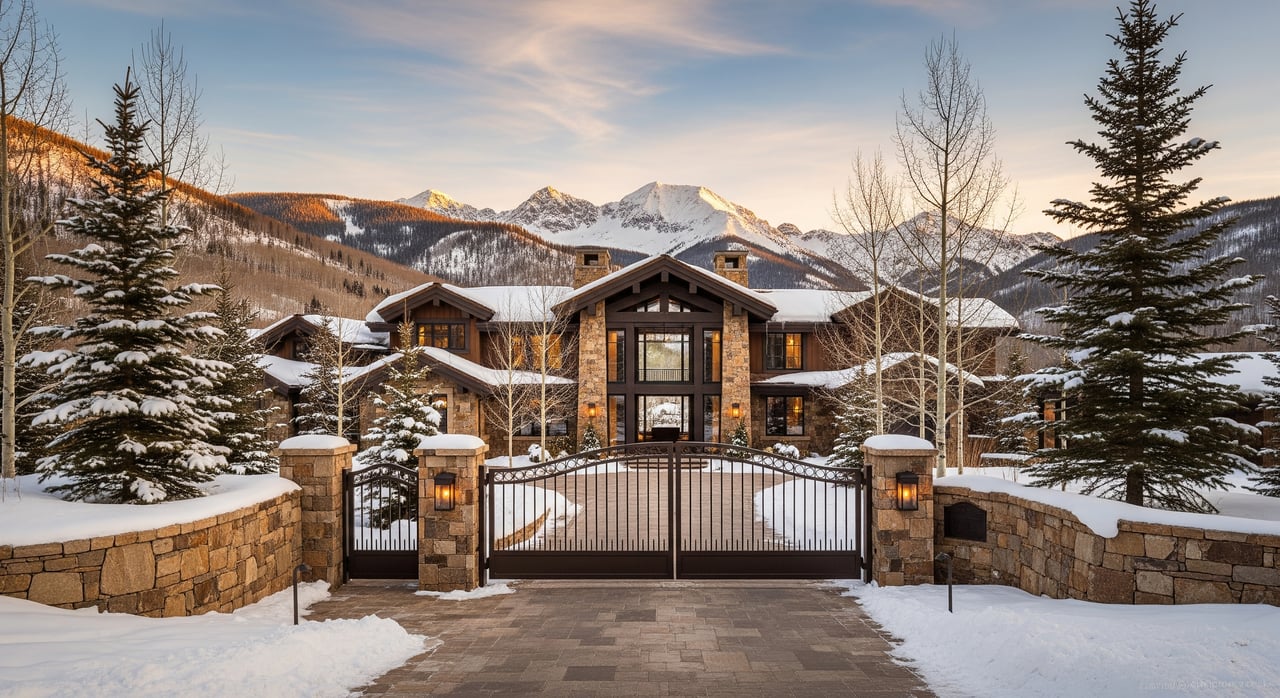
Craving true ski-to-town convenience without giving up privacy? If you want a lock-and-leave mountain base where service, security, and slope access work seamlessly, Bachelor Gulch deserves a close look. You likely value quiet surroundings, polished amenities, and the ease of a well-run resort community. In this guide, you’ll see how Bachelor Gulch fits into Beaver Creek, what gated living looks like here, and what to evaluate before you buy.
Let’s dive in.
Where Bachelor Gulch fits in Beaver Creek
Bachelor Gulch is an upper-mountain, gated residential enclave within Beaver Creek Resort in Eagle County. It sits alongside Beaver Creek Village and Arrowhead as part of a connected resort community. During normal ski operations, you can move village to village using the lift and trail network.
Getting here is straightforward. Eagle County Regional Airport serves the valley, with Denver International as the main hub for broader access. Most travelers drive in on Interstate 70, then continue up local mountain roads. In winter, always check official road advisories for current conditions.
Ski access and village connectivity
This neighborhood is built for on-mountain living. The resort’s trail and lift network lets you traverse among Beaver Creek Village, Bachelor Gulch, and Arrowhead. Many homes and condos market “ski-in/ski-out,” but exact access varies by property. Ask for the current trail map and the specific on-snow route from any home to the nearest lift or groomed piste.
Snowmaking, grooming, and seasonal operations can change connectivity. Confirm typical open dates and any lift schedules that affect morning departures or afternoon returns. If you plan to host guests, document the simplest routes for different ability levels.
What gated living looks like here
Gated entry is central to Bachelor Gulch’s privacy and security appeal. Portions of the neighborhood have controlled access and private roads, with on-site security protocols. You can expect professional maintenance standards for roads and snow clearing in areas governed by HOAs or village associations.
Many buildings and sub-associations offer concierge-style services. Staffing levels, scope, and fees vary, so review each HOA’s service menu closely. If you prefer hands-off ownership, ask about property management and housekeeping options that align with second-home use.
Resort transportation and getting around
On-demand shuttle service connects Bachelor Gulch with Beaver Creek Village and nearby points of interest. Operators and hours depend on the property and season. Some services are included in dues or hotel programs, while others are billed as needed.
During ski season, resort circulators and the lift system supplement ground shuttles. Nearby towns also offer municipal transit that can link you to regional destinations. If you plan to rent, clarify how your guests will navigate the area without a car.
Amenity stack you can expect
You come to Bachelor Gulch for an elevated, easy lifestyle. Expect a robust mix of on-mountain and hospitality amenities:
- Hotel and spa access: Properties like The Ritz-Carlton, Bachelor Gulch offer full-service lodging, dining, spa and wellness, ski valets, and concierge services. Access for owners depends on your building and any specific contracts.
- Four-season recreation: Alpine skiing and snowboarding, groomed Nordic options, hiking and biking in summer where allowed, and nearby golf courses.
- Property-level comforts: Heated garages, ski lockers, mudrooms, private decks with mountain views, and snow-melt systems are common in higher-snow communities.
- Dining and retail: Beaver Creek Village and nearby areas provide restaurants, shops, and après venues. Hours and availability shift with the season.
Property types and ownership options
You’ll find a range of luxury options in Bachelor Gulch:
- Single-family chalets and estates
- Ski-in/ski-out condos and townhomes
- Fractional ownership and condo-hotel units, including options operated within hotel rental programs
Inventory for truly private, slope-facing residences is limited relative to demand. If you have specific requirements for access, orientation, or views, start your search early and be prepared to move when the right fit appears.
Rentals and use: know the rules
Short-term rental policies vary by building and HOA. Some properties operate within a hotel-managed rental program. Others allow owner-managed nightly rentals under HOA rules, while a few may restrict short-term rentals entirely.
Before you buy, request the HOA covenants and current rental policy. Understand revenue splits, management fees, booking channels, and reservation priority. Hotel programs often differ from owner-managed rentals in how and when nights can be secured.
HOAs, dues, and capital reserves
High-amenity, on-mountain communities carry meaningful HOA dues. These typically fund year-round maintenance, security, snow removal on private roads, and shared facilities. Review current dues, budgets, and any known or pending special assessments.
Ask for the most recent reserve study and a rundown of capital plans. Items like roofing, elevators, road surfaces, and snow-melt systems are significant long-term expenses. Well-funded reserves reduce the risk of large surprise assessments.
Taxes, insurance, and risk
Property taxes are assessed by Eagle County with mill levies set by local taxing districts. Tax bills vary by property value and exact location, so request an estimate for any home you are considering.
Mountain properties have unique insurance considerations. Winter freeze, snow loads, emergency access, and wildfire or ember exposure can affect coverage and cost. Get quotes from insurers familiar with high-elevation resort homes. Some carriers require wildfire mitigation or may limit coverage based on risk.
Local regulations can influence rental rules, development, and land use. Check applicable town, county, and resort master plans for any policies that affect your intended use.
Buyer due-diligence checklist
Use this list to evaluate homes efficiently and avoid surprises:
Confirm ski access and claims
- Obtain the trail map and the exact on-snow route to the nearest lift or piste.
- Verify typical seasonal operations that affect connectivity.
Study HOA documents
- Review covenants, bylaws, reserve study, budgets, and meeting minutes.
- Confirm rental rules, pet policies, renovation controls, and parking.
Transportation and winter access
- Document shuttle hours, coverage, and cost. Confirm what is included in dues.
- Clarify who maintains roads and snow removal standards for the property.
Service availability
- Verify housekeeping, property management, and maintenance trades, especially during peak seasons.
Insurance and hazards
- Secure insurance quotes, including wildfire, liability, and contents.
- Ask about mitigation requirements and community protection plans.
Operating costs
- Estimate utilities, winter heating, snow-melt, spa/pool costs, and management fees.
Market data and liquidity
- Request recent comparable sales and note seasonality in listing activity.
- For rental buyers, review occupancy and average nightly rates for similar units.
Title and access rights
- Confirm road and ski access easements and any reciprocal agreements with the resort.
Planning and environment
- Check for nearby development that could affect privacy or views.
- Understand water/sewer details or septic considerations where applicable.
What to ask before you write an offer
- Is the property truly ski-in/ski-out in typical conditions or only during peak snow?
- Who operates the shuttle, what are the hours, and how are costs handled?
- Are short-term rentals allowed and is a hotel rental program mandatory or optional?
- What are the current HOA dues, and have there been special assessments recently?
- Are there known capital projects or any HOA litigation underway?
- What are average annual utility and heating costs for the property?
- What wildfire mitigation measures are in place or required by the HOA?
- Which services are provided by the resort or building, and which are owner responsibilities?
Work with a trusted local advisor
Buying in Bachelor Gulch is about aligning lifestyle and logistics: true slope access, quiet privacy, effortless services, and sound ownership fundamentals. You want someone who knows every cul-de-sac, HOA nuance, rental program, and on-snow route so you can buy with confidence. If Bachelor Gulch is on your shortlist, let’s tailor a plan around your goals, timing, and preferred property style.
Ready to explore? Schedule a private consultation with Stephanie Hart to map the right options and next steps.
FAQs
How does Bachelor Gulch connect to Beaver Creek Village and Arrowhead?
- The resort’s lift and trail network allows village-to-village travel during normal ski operations; routes and lift names are shown on the official trail map.
What does “ski-in/ski-out” usually mean in Bachelor Gulch?
- Access varies by property: some are directly on the slopes while others require a short walk or ski; always verify the exact route and typical seasonal operations.
Are short-term rentals allowed in Bachelor Gulch homes and condos?
- Policies depend on the building or HOA; some participate in hotel rental programs while others allow owner-managed nightly rentals or restrict them entirely.
What should I expect for HOA dues in a gated mountain enclave?
- Dues reflect year-round services such as security, private road and snow maintenance, and shared amenities; review budgets, reserve studies, and any pending assessments.
What insurance considerations are unique to Bachelor Gulch properties?
- Mountain homes may require coverage for winter freeze, snow load, and wildfire exposure; insurers may request mitigation steps or set coverage limits based on risk.
Which airports and roads serve Bachelor Gulch in winter?
- Eagle County Regional Airport and Denver International provide air access, with Interstate 70 and local mountain roads connecting to the resort; check official advisories for conditions.