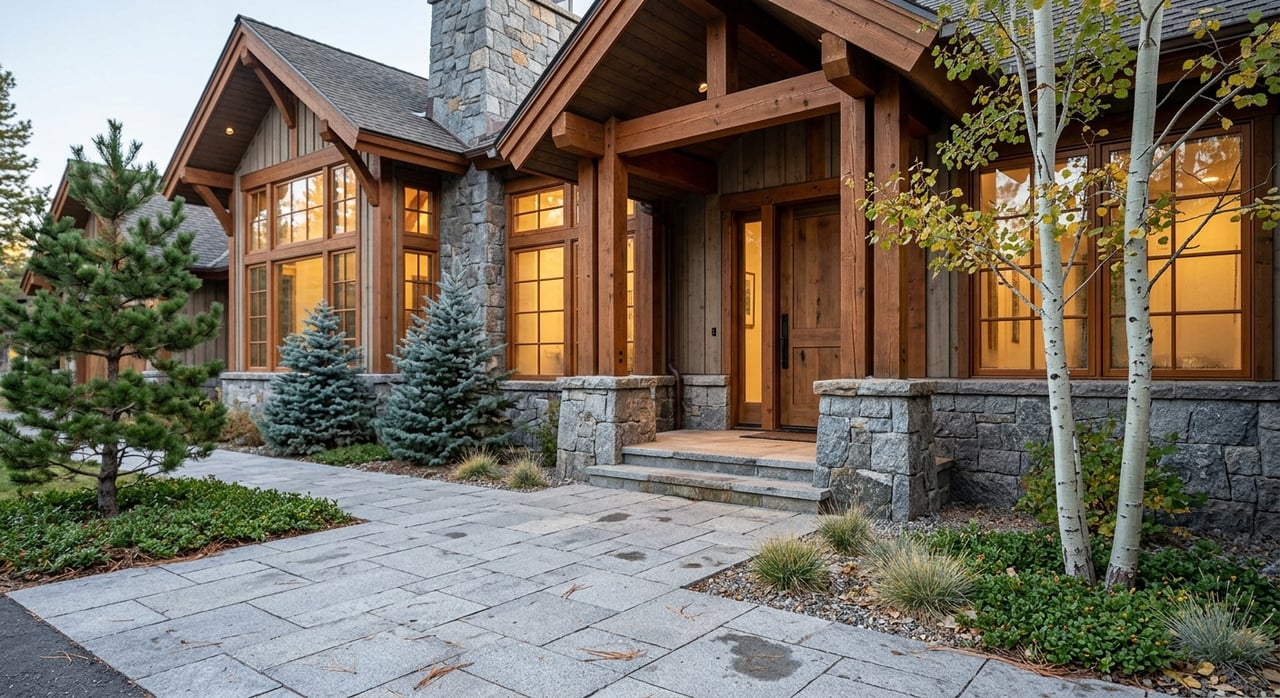
If you are thinking about trading weekend visits for everyday mountain living, Cordillera deserves a closer look. Full-time life here can feel both peaceful and practical, but only if you understand how the community works day to day. This guide will help you see what it is really like to live in Cordillera year-round, from governance and winter access to amenities, commuting, and buyer due diligence. Let’s dive in.
Why Cordillera Works Full Time
Cordillera is not a typical mountain subdivision. It is a 7,000-acre gated community in Eagle County’s Vail Valley with 817 homesites and more than 600 developed homes, located about 25 miles east of Eagle County Regional Airport and 140 miles west of Denver International Airport, according to Cordillera Living.
For many buyers, that scale matters. You get a private, amenity-rich setting with meaningful open space, while still staying connected to the I-70 corridor for regional travel, school routines, and daily errands. If your goal is a mountain home that supports real life, not just vacation life, Cordillera checks many of the right boxes.
Know the Governance First
One of the biggest keys to buying in Cordillera is understanding that governance is layered. In the core community, the Cordillera Property Owners Association handles owner amenities, recreation, design review, and homeowner services, while the Cordillera Metro District handles roads, public safety, open space, and other support services.
That split matters when you live here full time. Your daily experience depends not just on the home itself, but on how roads are maintained, how amenities are accessed, and how community standards are managed. Buyers who understand that structure early tend to make more confident decisions.
Valley Club Is Separate
The Valley Club is not simply another Cordillera neighborhood. It is a separate gated community north of Cordillera across I-70, with its own POA and metro district, as explained on Cordillera Living.
If you are considering a Valley Club property, do not assume the same rules, services, or access model apply. Review the separate governance, design review process, and financials through the Cordillera Valley Club Property Owners Association before you write an offer.
Compare the Main Neighborhoods
Cordillera offers several distinct areas, and each one supports full-time living a little differently. Your best fit often comes down to commute priorities, access to amenities, and the type of setting you want around you every day.
The Divide
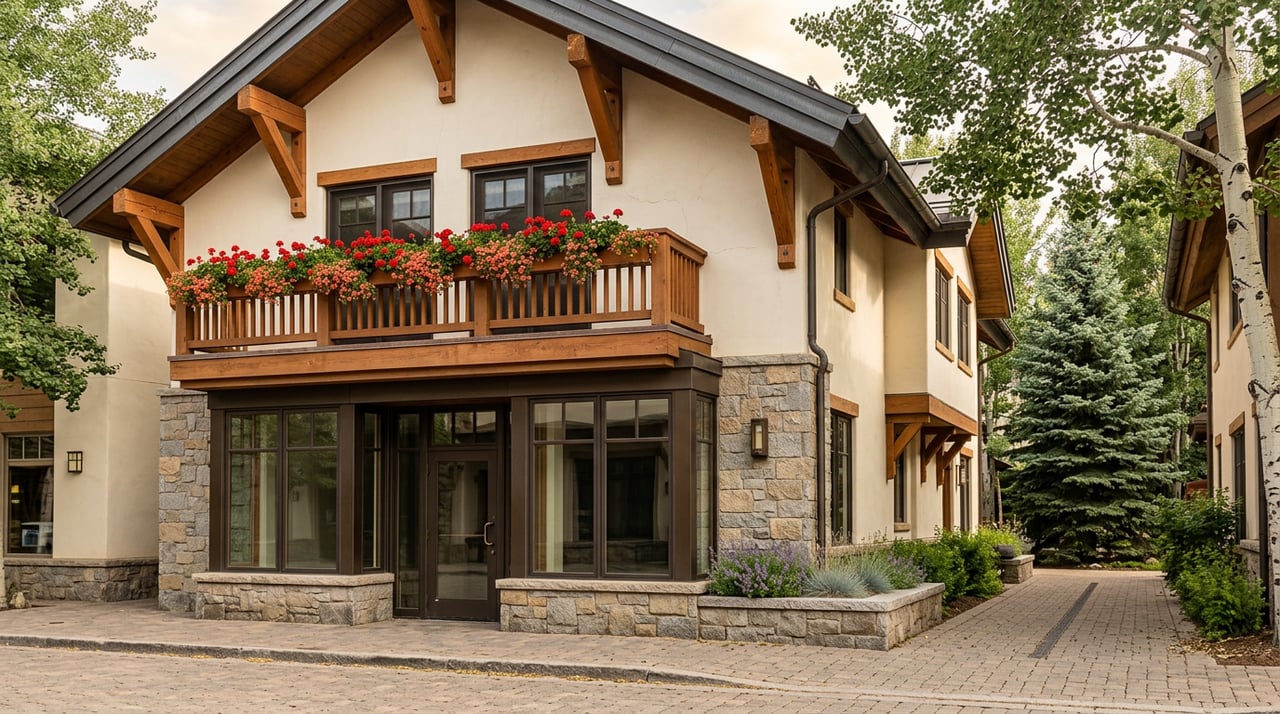
The Divide is known for European-style architecture and easier access to the valley. It also offers walkability, the Granada Glen fishing pond and picnic area, the Dave Pelz Short Course, and several hiking trails, according to Cordillera’s neighborhood overview.
If you want a location that can simplify regular trips in and out of the gates, this area may be worth a close look. It can be especially appealing if you value a more connected neighborhood feel.
The Ranch
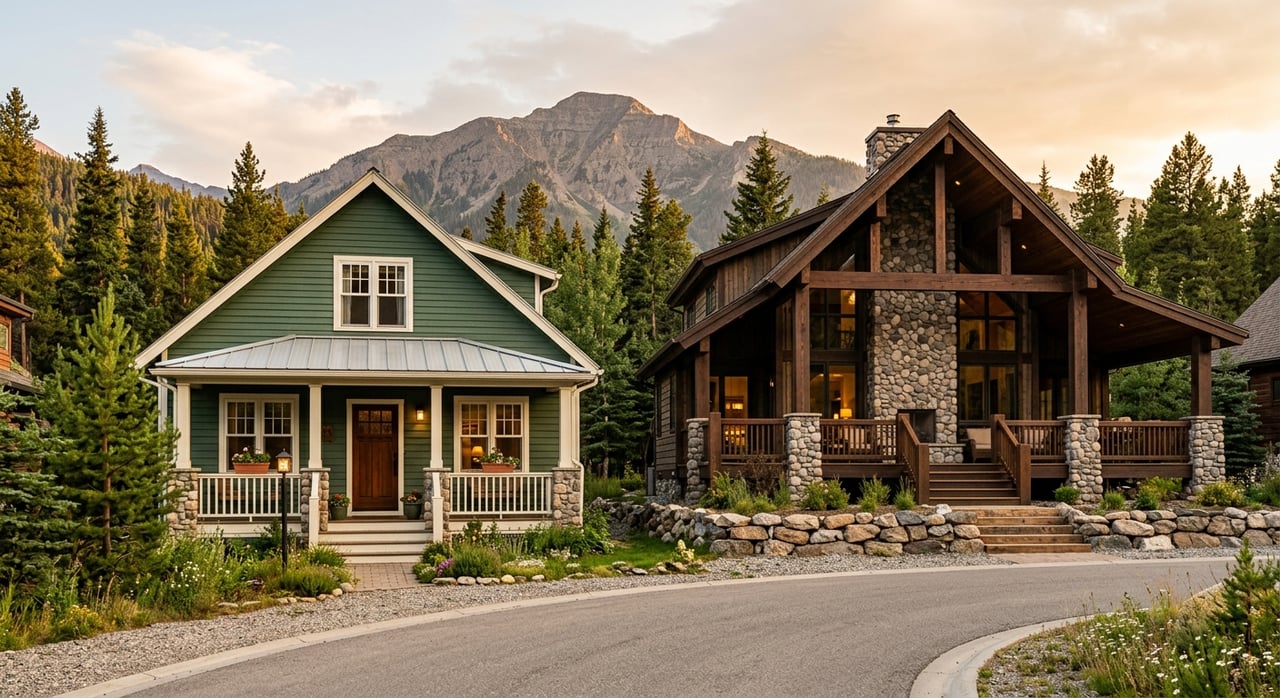
The Ranch reflects a former working ranch setting with Colorado ranch architecture. It includes about 21 miles of hiking, snowshoeing, and cross-country skiing trails, along with the Mountain Golf Course, TimberHearth, and the Trailhead Clubhouse with summer pools and playgrounds, based on Cordillera Living’s neighborhood guide.
For full-time owners who want strong access to outdoor recreation and community amenities, The Ranch often stands out. It supports an active daily lifestyle well beyond ski season.
The Summit
The Summit features mountain-modern homes, views of the Gore Range, the Summit Golf Course, and the Athletic Center with an indoor pool, hot tub, pickleball, and tennis, according to Cordillera Living.
If you are drawn to elevated views and want close proximity to fitness-focused amenities, The Summit may offer the most club-oriented feel. It can be a strong option for owners who want easy year-round routines built into the neighborhood.
Year-Round Amenities Matter
When you live in a mountain community full time, summer amenities alone are not enough. You want options that support your routine in every season, including winter weekdays and shoulder-season months.
Cordillera’s CPOA-owned amenities include the Athletic Center, the Short Course, the Cordillera Post Office, the Trailhead Clubhouse, the Cordillera Vail Gondola Club, access to private fly-fishing water, plus a dog park, car wash, and RV parking, according to the CPOA overview.
Fitness and Social Routines
The Athletic Center is a major advantage for full-time residents. It is open daily from 5 a.m. to 10 p.m. for owners and their families and guests, with an indoor pool, workout and class space, and an outdoor spa.
That kind of access helps turn mountain living into a sustainable lifestyle. Even when trails are snowy and golf is closed, you still have reliable options for fitness, recreation, and social connection.
Trails and Open Space
Cordillera property owners have access to more than 3,000 acres of private open space and about 30 miles of trails maintained for summer hiking and winter snowshoeing, with some segments allowing mountain biking or horseback riding, according to Cordillera’s hiking and biking page.
For many full-time buyers, this is one of the strongest reasons to live here. You are not relying on occasional destination outings. You have everyday access to outdoor space that can become part of your normal weekly rhythm.
Understand Club Access
A common mistake buyers make is assuming all Cordillera amenities are included with ownership. That is not always the case.
The Club at Cordillera is a private members-only club, separate from the CPOA amenity set. It offers three championship golf courses, with the Valley Course open from April through October, and the Mountain Clubhouse converting into a Nordic center in winter for snowshoeing, cross-country skiing, and sleigh rides.
Membership is open to Cordillera property owners and the public, so access is not automatic with a home purchase. The Cordillera Vail Gondola Club is also separate and limited to 212 members, which makes it especially important to verify what a property does and does not include.
Winter Living Is Real Living
If you are planning to live in Cordillera full time, winter logistics deserve serious attention. The good news is that snow management is built into the community’s infrastructure.
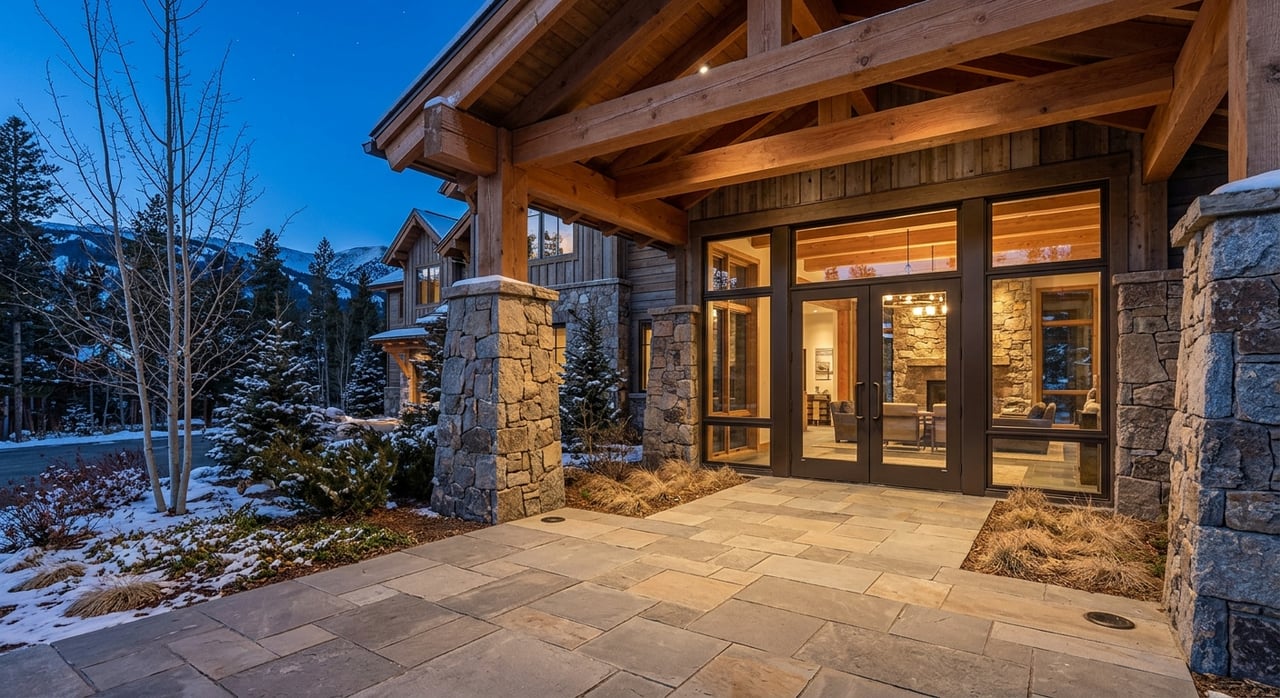
According to the Cordillera Metro District, CMD maintains more than 40 miles of paved roads and plows district-owned roads, parking lots, and sidewalks when one-half inch or more accumulates. That support helps make year-round living more realistic than in many mountain locations.
Still, buyers should think beyond the main roads. Steep driveways, private access points, and weather-sensitive travel times can all affect your daily routine. Before you buy, make sure you understand how winter maintenance works for the specific lot and home you are considering.
Wildfire Is Part of Ownership
Mountain living also means understanding wildfire responsibility. In Cordillera, this is not treated as an occasional issue. It is part of the ownership model.
As outlined on the community’s wildfire mitigation page, homeowners are responsible for vegetation management and defensible space on private property, while the CPOA and CMD coordinate mitigation work on open space and conduct home reviews on a three-year inspection schedule.
That structure can be reassuring because there is an established system in place. It also means you should budget both time and money for ongoing property stewardship.
Commuting From Cordillera
Cordillera offers a private setting, but full-time owners still need to move through the valley. Commute expectations should be grounded in real corridor conditions, not just map distance.
The Edwards Area Transportation Master Plan notes congestion along Highway 6 and the Edwards Access Road during peak hours. In practical terms, your drive times can vary based on season, ski traffic, and weather.
If you prefer transit options, Core Transit provides regional bus service with routes connecting Vail, Avon, Edwards, Eagle, Eagle County Regional Airport, Gypsum, and Dotsero. For some households, that can add flexibility to work, airport, or school-related routines.
School Planning for Full-Time Buyers
For households planning a primary residence, school logistics are an important part of the conversation. Eagle County School District directs families to use its community school locator and notes that district transportation uses SMARTtag passes and a parent app.
Nearby public schools in Edwards include Edwards Elementary, Berry Creek Middle School, and Battle Mountain High School. Even so, buyers should verify address-specific school assignment, bus routing, and seasonal timing before making an offer, especially in a mountain setting where winter travel can affect daily schedules.
Due Diligence Before You Offer
A full-time move to Cordillera should come with more diligence than a casual second-home purchase. The community has strong systems in place, but buyers need to review them carefully.
Start with the governing documents and closing materials. The CPOA states that owners can access board schedules, minutes, budgets, design review documents, CC&Rs, bylaws, and PUD materials through its owner portal, and the closing portal can provide a statement of account, resale certificate, estoppels, and related community documents through the CPOA resources.
Key Items to Review
Before writing an offer, pay special attention to:
- Annual CPOA assessments and how they affect your ownership costs
- The CMD mill levy, which is listed as 34.103 mills per $100,000 of assessed value for the 2026 general operating fund
- Road and driveway maintenance responsibilities for the specific property
- Defensible space and vegetation management obligations
- Design review rules for future improvements
- Amenity access rights and any separate memberships
- Gate access procedures, owner IDs, and guest-entry systems through Cordillera ID and access services
If rental flexibility matters to you, review the rules closely. Cordillera permits rentals of 30 days or more, requires registration and licensing, and prohibits short-term rentals under 30 days, with some enclaves having additional restrictions.
Is Cordillera a Good Full-Time Fit?
Cordillera can be an excellent full-time mountain home base if you want privacy, open space, strong owner amenities, and a structured community with real operational support. It tends to fit buyers who appreciate a high-amenity lifestyle and are comfortable with detailed governance, winter planning, and ongoing mountain-home maintenance.
The right home here is not just about square footage or views. It is about matching your daily routine to the right neighborhood, the right access points, and the right ownership structure. If you want expert guidance as you evaluate Cordillera for full-time living, Stephanie Hart offers a concierge, lifestyle-first approach tailored to how you actually want to live in the Vail Valley.
FAQs
What is full-time living in Cordillera really like?
- Full-time living in Cordillera combines private mountain-home surroundings with year-round amenities, maintained roads, trail access, and structured community services, but it also requires planning for winter conditions, governance, and property upkeep.
What should buyers know about Cordillera governance?
- Buyers should know that the core Cordillera community is governed through both the CPOA and CMD, while the Valley Club operates separately with its own POA and metro district.
What amenities support year-round living in Cordillera?
- Cordillera offers year-round lifestyle support through amenities such as the Athletic Center, Trailhead Clubhouse, private open space, trail systems, a post office, dog park, car wash, and other owner services.
What are the rental rules for Cordillera homes?
- Cordillera prohibits short-term rentals under 30 days, requires rental registration and licensing, and some enclaves may have additional rental restrictions.
What should families verify before buying a Cordillera home?
- Families should verify address-specific school assignment, transportation details, commute patterns, winter access, and the exact maintenance responsibilities tied to the property they plan to buy.
What should buyers review before making an offer in Cordillera?
- Buyers should review governing documents, budgets, assessments, mill levies, design guidelines, gate access procedures, wildfire obligations, driveway maintenance, and any neighborhood-specific rules before submitting an offer.