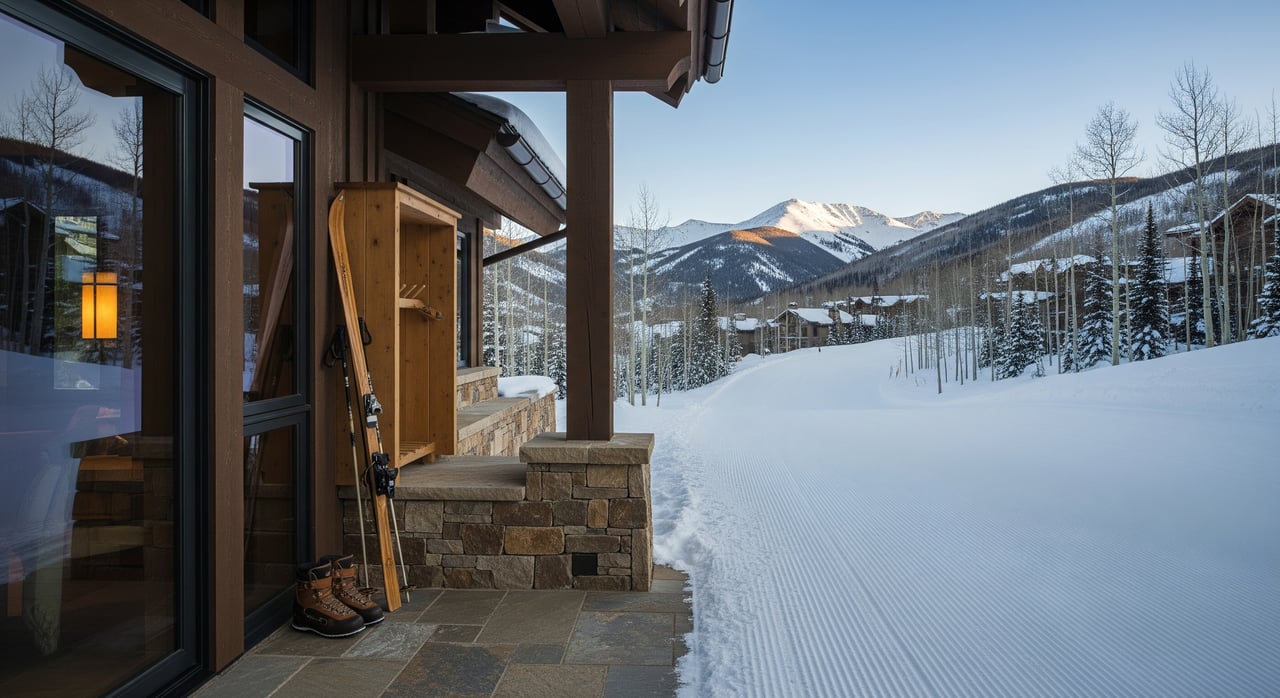
Is “ski-in/ski-out” a dream or a daily reality in Beaver Creek? If you have visions of clicking in at your door and gliding straight to the lift, you are not alone. The phrase gets used often, but it can mean very different things from one building to the next. In this guide, you will learn what counts as true slopeside access in Beaver Creek, how local skiways and villages affect convenience, and a practical way to verify any claim before you buy. Let’s dive in.
What ski-in/ski-out means in Beaver Creek
“Ski-in/ski-out” has no single legal definition. Around Beaver Creek, you will see it applied to everything from a literal door-to-run setup to a short walk or even a shuttle ride. Because the resort is spread across several connected nodes, access varies by micro-location.
In local usage, many buyers look for true or direct ski-in/ski-out. This means you have a continuous skiable path from your building or private skiway to the trail network, with no road crossings, long walks, or required shuttle. You can typically put skis on at the steps and ski home to a designated door or locker.
You will also see skiways and connectors referenced. These are groomed trails or cat tracks that feed buildings or small clusters into the main runs and lifts. They can be very convenient, but the exact connection, grooming routine, and rights of use can differ by property and HOA.
Common access types you will see
- True/direct ski-in/ski-out: Continuous skiable route both to and from the building. No mandatory walking or shuttle. Often includes dedicated ski lockers near the access point.
- Skiway or connector access: A groomed trail or cat track links the micro-neighborhood to the main trail network. It is skiable, though sometimes flatter and more effort than a standard run.
- Short walk to snow: Marketing may say “one-minute walk.” That could mean stairs, a plowed path, or a short stretch over a deck to reach a groomed area. It is not the same as stepping onto a run.
- Shuttle-assisted access: Some properties sit near the slopes yet still rely on a resort or HOA shuttle for lift access. This changes the daily rhythm and timing of your ski days.
Features that shape access in Beaver Creek
Resort geography and base areas
Beaver Creek is organized into multiple nodes, including Beaver Creek Village, Bachelor Gulch, and Arrowhead, plus adjacent neighborhoods in Avon. Lifts, runs, and roads link these areas. Your exact location relative to a lift or a maintained skiway drives how convenient the access will feel.
Trail layout and grooming
The resort maintains groomed runs and connector trails that feed the villages. Whether a specific skiway passes a building depends on micro-location and boundaries. Some connectors are seasonal or may close at times for operations or events.
Property and resort boundaries
Being next to a groomed trail does not automatically create legal skier access. You should verify rights-of-way or easements that allow owners to enter the ski area. Control over a skiway may rest with the resort, an HOA, or a private party.
Roads, stairs, and entries
Even slopeside buildings can front a deck, promenade, or resort road. A short distance from snow can still mean stairs or a plowed sidewalk. Any road crossing breaks the continuity of true ski-in/ski-out.
How to verify a ski-in/ski-out claim
Treat any label as a starting point. Use this step-by-step approach before you commit.
Route and continuity
- Ask for a site plan or sketch that shows the exact route from your unit or ski locker to the nearest groomed run or lift.
- Confirm it is skiable both ways during normal hours and typical snow conditions.
Elevation and difficulty
- Identify whether the connector is a groomed run, cat track, or flat traverse.
- Request in-season photos or video that show the full path out and back.
Rights and maintenance
- Obtain recorded easements or HOA declarations that grant access or describe obligations for the skiway or path.
- Confirm who grooms or maintains the connector and how often, and ask about related costs.
Crossings, stairs, and walks
- Determine whether you must cross a road, driveway, or plowed walkway where skis must be carried.
- Verify any stairs or long flat sections that may be difficult with gear or for beginners.
Seasonal and operational exceptions
- Ask about closures for avalanche control, grooming, races, or special events and how you access the mountain if that happens.
- Confirm whether any resort pass, timing, or other conditions affect access.
Shuttle schedules and reliance
- If a shuttle is part of the route, get peak and off-peak schedules and confirm early and late runs that match your ski day.
On-site testing
- When possible, tour during ski season and test the route with skis on.
- If you cannot visit, collect current-season media and a statement from the HOA or manager about any recent access issues.
Smart questions to ask
- Exactly where does skiing stop and walking begin for this unit?
- Are there recorded easements or restrictions for the adjacent skiway?
- Who grooms and maintains the connector and what is the schedule and cost?
- Has the route ever been closed? When and why?
- Do I need to cross a public road, driveway, or shuttle stop? If so, describe.
Convenience, value, and trade-offs
True direct slopeside access makes spontaneous ski days easy. You can come and go for short sessions, drop gear in your locker, and return for lunch without planning around schedules. This matters if you host guests or prefer many quick laps.
Shuttle reliance or longer cat tracks add time and coordination. Carrying gear over non-skiable segments can change your routine, especially with kids or mixed-ability groups. For many buyers, the day-to-day convenience is worth pricing and HOA differences.
Historically, properties with direct access often carry a market premium in mountain resorts. In Beaver Creek, village amenities and services can also influence pricing. Listings that promise direct access but do not deliver may face skepticism at resale, so clarity helps protect long-term value.
Village vs slopeside: choosing your fit
Village locations can bring restaurants, services, and guest access to your doorstep. A short walk to snow might be an easy trade for that convenience. Buildings with ski valets or well-designed locker rooms can also soften the impact of a brief walk.
Slopeside buildings often feel more private during the day but can come with lift or skier noise and more activity at peak times. They may carry higher maintenance or HOA costs linked to snow management and ski infrastructure. Your best fit depends on how you plan to use the home, from quick weekend trips to full-season living.
Local logistics to factor in
Beaver Creek and the Town of Avon operate shuttle and circulator services in winter to connect villages, parking, hotels, and public lots. Some communities also run private HOA shuttles. Schedules vary by season, and peak periods can add wait time.
Parking rules are strict in winter. Many slopeside addresses use dedicated drop-off areas and garage systems with limited guest parking. If you plan to host, confirm guest policies and how visitors will reach the building during busy weeks.
Your next steps
- Decide how important continuous skiable access is for your lifestyle and guests.
- Use the verification checklist on any property you tour.
- Confirm easements, grooming responsibility, and any seasonal exceptions in writing.
- When possible, test the route in-season or secure current photos and video.
If you want a local, concierge-style approach to comparing buildings and micro-locations, connect with Stephanie Hart. You will get clear guidance, vetted contacts, and a plan tailored to how you ski and live in Beaver Creek. Schedule a Consultation.
FAQs
What does true ski-in/ski-out mean in Beaver Creek?
- A continuous skiable path from your building or private skiway onto the trail network, with no required road crossings, long walks, or shuttle use both out and back.
How do skiways differ from cat tracks in Beaver Creek?
- A skiway is a groomed connector that feeds buildings into runs, while a cat track is often flatter and traversing, which may require more effort to reach a lift or entrance.
Is a one-minute walk considered ski-in/ski-out here?
- Marketing may say so, but a short walk over stairs, decks, or plowed paths is not the same as direct ski-on access, so verify where skiing stops and walking begins.
Can seasonal operations affect my ski access in Beaver Creek?
- Yes, connectors can close for grooming, avalanche control, races, or events, so confirm typical closures and the alternate route you will use when that happens.
Do shuttles change the value of a Beaver Creek property?
- Direct access often commands a premium for convenience, while shuttle reliance can reduce spontaneity, so weigh daily ease against pricing, amenities, and your use pattern.