Are you trying to make sense of Vail condo HOA fees and what you actually get for them? You are not alone. In a resort market like Vail, associations often bundle more services than a typical suburban building, which can make fees feel confusing at first glance. In this guide, you will learn what HOA fees commonly cover in Vail, how reserves and assessments work, and exactly how to evaluate an HOA before you buy. Let’s dive in.
What Vail condo HOA fees usually cover
HOA inclusions vary by building. A simple, self-managed complex will look very different from a full-service resort property near the lifts. Always confirm specifics in the budget and CC&Rs for the building you are considering.
Utilities and essential services
- Water, sewer and trash are frequently included.
- Heat and hot water are often included in older or full-service buildings. In many newer condos, unit heat may be separately metered.
- Common-area electricity and exterior lighting are included. Unit-level electric is typically separate unless master-metered.
- Basic cable or internet may be included, especially in full-service or rental-oriented buildings.
- Snow removal is standard in Vail. Clearing roads, driveways, walkways and sometimes roofs is a common line item.
Building maintenance and operations
- Routine care for roofs, siding, windows, elevators and common-area HVAC.
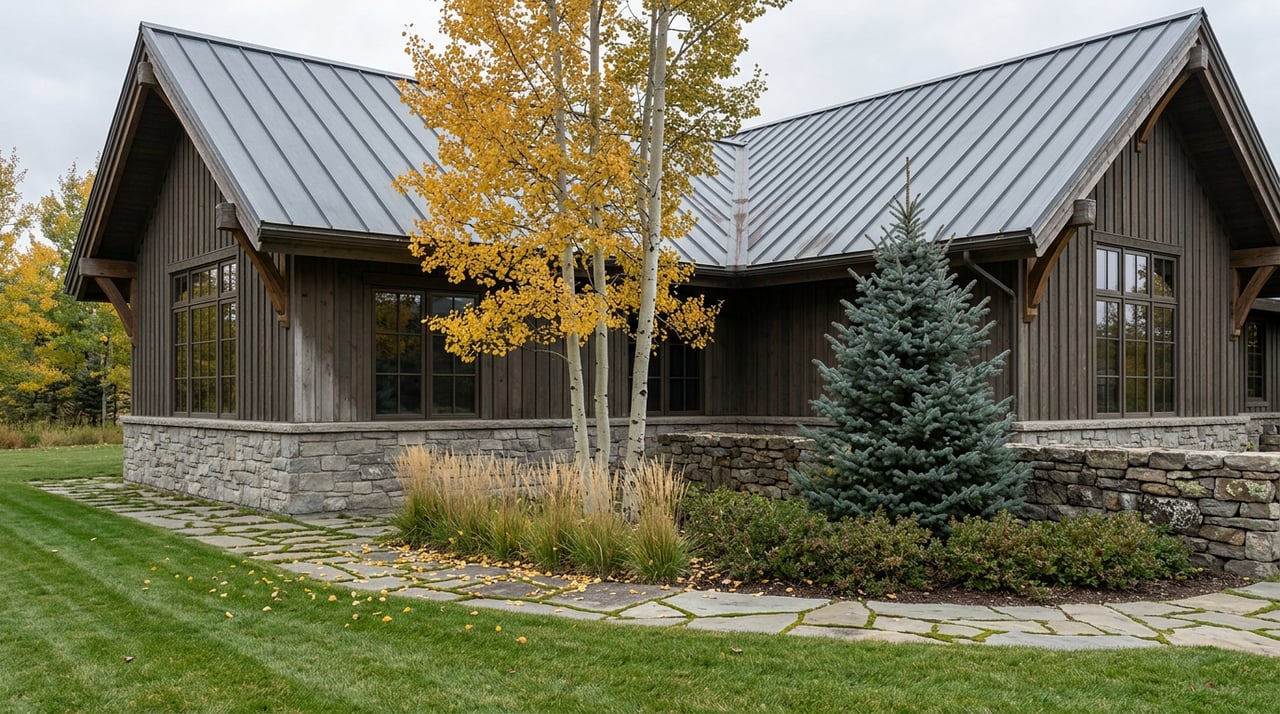
- Landscaping and exterior upkeep, including alpine plantings.
- Pest control, common-area supplies and utilities.
Insurance and administration
- A master property insurance policy that covers the building exterior and common areas. Coverage types and deductibles vary by association.
- Professional management fees when a third-party manager is used.
- Administrative costs such as accounting, legal, meetings and reserve study updates.
Staffing and guest services
Full-service properties in central Vail often include additional services. These can drive fees higher but also create a turnkey experience.
- On-site concierge or front desk support.
- Bell staff, valet or housekeeping for rental programs when offered.
- Security or night staff in select buildings.
- Rental management or marketing services if the HOA runs a rental pool.
Amenities and resort operations
- Pools, hot tubs, saunas, fitness centers and locker rooms.
- Heated or underground parking and garage maintenance.
- Shuttle service to lifts or town centers. Some shuttles are HOA-operated while others are provided by the Town of Vail. Confirm who runs it and who pays.
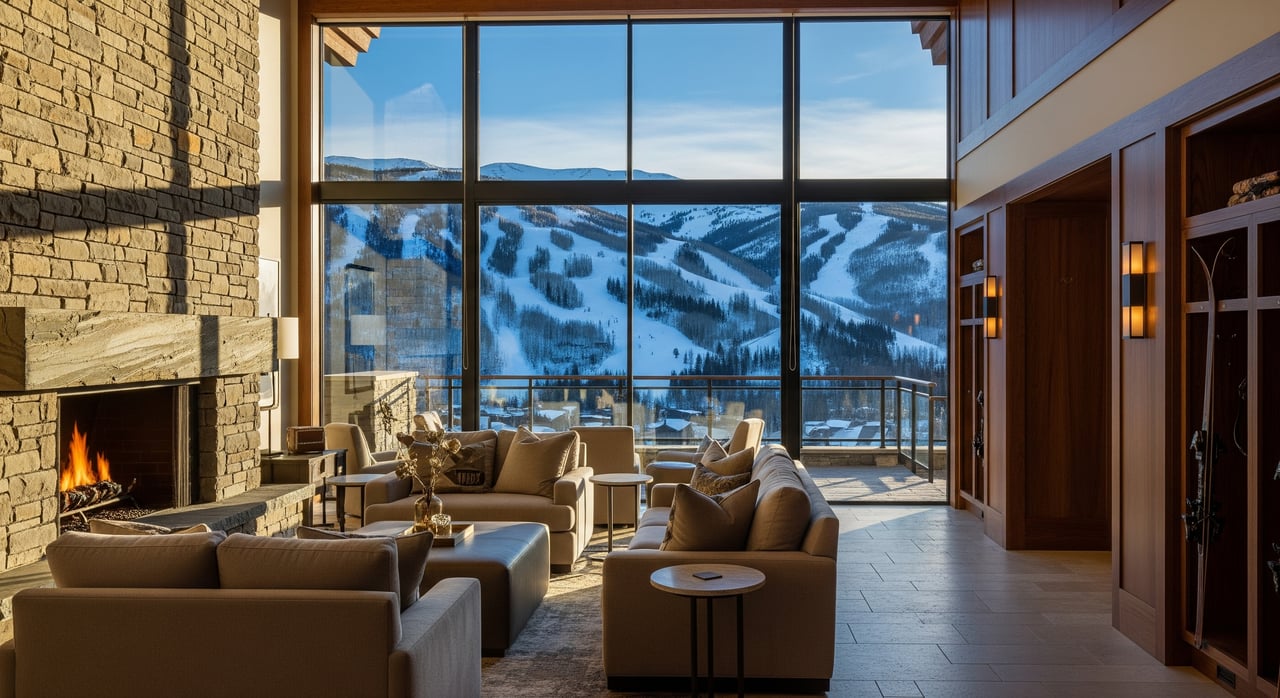
- Ski storage, boot drying rooms and private ski lockers. Some buildings include a locker. Others charge an assignment fee.
- Trash valet and enhanced recycling programs, especially during peak seasons.
Reserve fund contributions
Every monthly fee typically includes a contribution to reserves for big-ticket items such as roofs, boilers, elevators and parking structures. Reserves help limit surprises. They may be supplemented by special assessments when needed.
Why Vail HOA fees can be higher
Vail is a four-season resort with second homes and short-term rentals. That means more guest services, seasonal staffing and amenity operations than you would find in a typical condo community. Winter conditions add costs for snow removal, heat reliability and roof management. Insurance costs in mountain markets have also risen in recent years, which can impact dues. These factors explain why two buildings with similar square footage can have very different fee levels.
For industry context on budgeting and reserves, the Community Associations Institute provides guidance on reserve studies and best practices. You can learn more from the Community Associations Institute.
How fees are set: budgets, reserves and assessments
Understanding the financial mechanics will help you forecast future costs and avoid surprises.
Operating budget vs. reserves
- The operating budget covers daily expenses. Think utilities for common areas, staff wages, routine repairs and supplies.
- The reserve fund is for long-term capital items. A reserve study lists major components, their remaining life and recommended annual funding.
Reserve studies should be updated regularly, especially in buildings with elevators, boilers or heated garages. That cadence is often every one to three years in high-wear environments.
Special assessments
If reserves fall short for a major repair or an unexpected event, the board may levy a special assessment on owners. Large or frequent assessments are yellow flags. Ask for a five-year history of assessments and the current reserve balance when you review disclosures.
Fee increases and governance
Boards can raise regular assessments within limits set by the governing documents and state law. Inflation, insurance premiums and labor costs can push budgets higher over time. To understand the rules that shape Colorado HOAs, review the Colorado Common Interest Ownership Act and resources from the Colorado Division of Real Estate.
Delinquencies and financial health
High delinquency rates reduce cash flow and can lead to higher dues for everyone else. Ask for an owner delinquency report or percentage and review year-end financial statements.
Insurance economics
Confirm the master policy deductible and how it is allocated after a claim. Many associations have sizable deductibles in mountain environments. Most owners need an HO-6 policy that covers interior finishes, personal property, liability and loss assessment coverage. For rental owners, HOA fees are often deductible as rental expenses. Review IRS guidance and consult a tax professional. You can start with the IRS site.
Do your homework: documents and questions
Request the full HOA package early. In Colorado, associations maintain key disclosures and governing documents. The Colorado Division of Real Estate outlines what HOAs must provide to owners and prospective buyers. Visit the Colorado Division of Real Estate for state-level HOA resources.
Documents to request
- CC&Rs, Bylaws and Rules.
- Current budget and the most recent year-end financials.
- Latest reserve study and current reserve balance.
- Meeting minutes for the last 12 to 24 months.
- Insurance declarations showing coverage and deductibles.
- Assessment history for the last five years and any current or planned assessments.
- Owner delinquency report or percentage outstanding.
- Management contract and major vendor agreements.
- Rental policy and any HOA-run rental program terms.
- Litigation reports or legal correspondence.
- Capital improvement plans and pending projects.
- Parking and storage assignments, pet policy and short-term rental restrictions.
Smart questions to ask
- What exactly is included in the monthly fee for this unit? Request line-item detail.
- How often have dues increased and by what amounts?
- Are any capital projects planned that could require an assessment?
- What is the reserve funding level compared to the reserve study recommendation?
- What share of the budget is seasonal staffing and labor?
- Are short-term rentals allowed and what are the building’s rules?
- Is there any pending or recent litigation?
Red flags to watch
- Low reserves or a reserve study calling for significantly higher funding.
- Multiple special assessments in recent years.
- High owner delinquency rates.
- Major deferred maintenance noted in minutes without a funding plan.
- Unclear insurance coverage or very high deductibles.
- Restrictive or ambiguous rental rules if you plan to rent.
Budgeting tips for Vail condo owners
- Ask for the HOA’s line-item budget for your unit. Confirm utilities, shuttle and amenity costs that are included.
- Build a cushion for the unexpected. Many owners keep a separate emergency fund equal to several months of HOA dues.
- If you plan to rent, verify rental rules, licensing requirements and any HOA program fees. Confirm what is covered by the HOA during guest stays, such as linen or trash services.
- Compare buildings by total cost of ownership, not just the monthly fee. Add property taxes, interior utilities not covered, HO-6 insurance and any rental-management fees.
Vail-specific notes and public resources
Vail has unique operational factors that show up in HOA budgets. These resources can help you verify details as you evaluate a property.
- Shuttles. Some buildings run private shuttles. Others rely on town services. Confirm the operator and cost in the HOA budget and check routes on the Town of Vail site.
- Short-term rentals. Licensing and taxes are governed locally. Review current ordinances with the Town of Vail and confirm how building rules align with town requirements.
- Property records and taxes. Use Eagle County resources to confirm ownership and tax details.
- State oversight. The Colorado Division of Real Estate provides HOA disclosure guidance. The text of CCIOA is available through the Colorado General Assembly.
- Industry standards. The Community Associations Institute offers education on budgets, reserves and owner rights.
Quick due-diligence checklist
- Request CC&Rs, Bylaws and Rules.
- Obtain the last two years of budgets and financials, plus year-to-date statements.
- Review the latest reserve study and current reserve balance.
- Confirm master insurance limits and deductibles.
- Read recent board meeting minutes for maintenance, litigation or assessment notes.
- Ask for a five-year assessment history and current delinquency percentage.
- Verify what is included in your monthly fee, line by line.
- Confirm rental rules and applicable town or county regulations.
- Ask about upcoming capital projects and any planned assessments.
- Verify parking, ski storage, locker assignments and shuttle services.
Ready to compare buildings with confidence?
An experienced local advisor can help you interpret HOA budgets, reserve studies and insurance details so you can compare apples to apples. If you want a clear, concierge-style approach to evaluating Vail and Beaver Creek condominiums, connect with Stephanie Hart. Schedule a Consultation and get a tailored plan for your goals.
FAQs
What do Vail condo HOA fees usually include?
- Most include water, sewer, trash, common-area electricity, snow removal, building insurance and routine maintenance. Full-service buildings may add concierge, shuttle, ski storage and amenities like pools and fitness centers.
How do special assessments work in Colorado HOAs?
- When reserves are not sufficient for a large repair or unexpected event, boards can levy a special assessment on owners according to governing documents and state law outlined in CCIOA. Review assessment history and planned projects before you buy.
Do Vail condo HOAs cover heat and internet?
- Sometimes. Older or full-service buildings often include heat and hot water, while newer buildings may have separately metered heat. Basic cable or internet can be included in some associations. Always verify in the line-item budget.
What insurance do I need if the HOA has a master policy?
- Most owners need an HO-6 policy that covers interior finishes, personal property, liability and loss assessment. Ask the HOA about the master policy deductible and how it is allocated after a claim.
Are short-term rentals allowed in Vail condos?
- It depends on the building’s rules and town requirements. Confirm HOA rental policies and review local licensing and tax rules on the Town of Vail site before assuming rental income.
How can I check an HOA’s financial health before buying?
- Review the current budget, year-end financials, reserve study and reserve balance, five-year assessment history, delinquency data and meeting minutes. Ask direct questions about planned projects and funding levels.